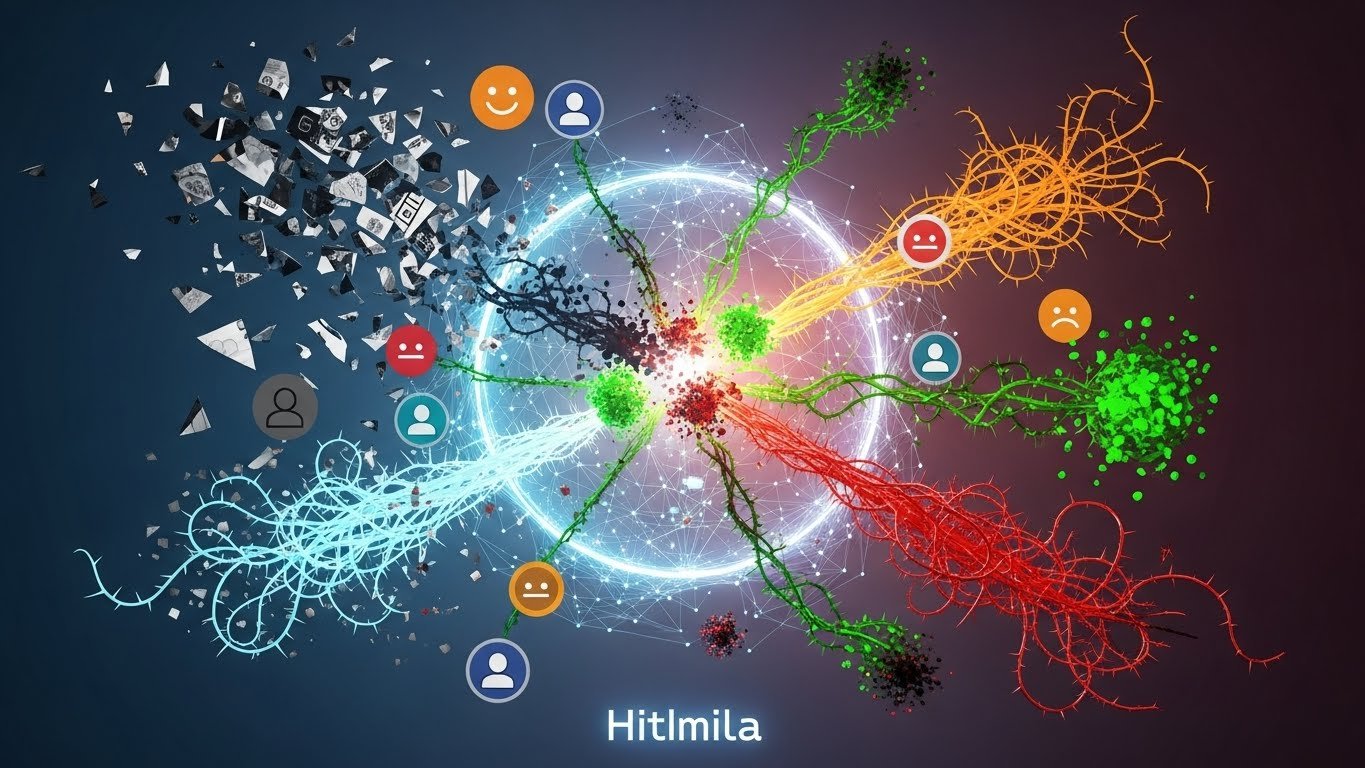
In the vast and ever-evolving landscape of online communities, few phenomena have captured attention quite like Hitlmila. This term has surged to the forefront of internet culture, sparking curiosity and debate among users across various platforms. But what exactly is Hitlmila, and why does it hold such sway over our digital interactions?
As we delve deeper into this intriguing topic, we’ll explore its rise in popularity and how it shapes the dynamics within online spaces. From constructive engagements to challenging behaviors, Hitlmila carries both promise and peril. Join us as we unpack the nuances of this phenomenon that continues to influence conversations around the globe.
The Rise of Hitlmila and Its Popularity
The phenomenon of Hitlmila has surged remarkably in recent years. Born from a desire for community expression, it quickly gained traction across various online platforms.
Social media users embraced Hitlmila as a way to share thoughts and ideas. Its unique blend of humor and relatability resonated with many, driving its viral spread. Memes, videos, and posts infused with Hitlmila began dominating feeds.
What sets Hitlmila apart is its adaptability. It can morph into different formats while retaining the core essence that users find appealing. This versatility has helped it transcend niche groups, reaching individuals from diverse backgrounds.
As communities gravitate toward shared experiences, the popularity of Hitlmila continues to grow. It’s not just a trend; it’s becoming an integral part of how people communicate online today.
How Hitlmila Affects Online Communities
Hitlmila significantly impacts online communities, shaping interactions and discussions. Its presence can create a vibrant exchange of ideas or lead to heated debates.
Community members often rally around Hitlmila, using it as a reference point for shared experiences. This fosters a sense of belonging among users who resonate with its themes.
Conversely, Hitlmila can also introduce division. Disagreements over interpretations may cause rifts within groups. Users might feel polarized, leading to fragmented conversations.
The dynamics shift when new users enter the space influenced by Hitlmila. Their perspectives can either enrich dialogues or complicate existing narratives.
Understanding these effects is crucial for fostering healthy online environments where engagement thrives without toxicity creeping in.
Positive Effects of Hitlmila on Online Communities
Hitlmila has introduced a fresh dynamic to online communities. It encourages creativity and self-expression among users. Many find joy in sharing their unique takes on various subjects, which fuels engaging discussions.
This platform often fosters collaboration. Users come together to work on projects or share resources, strengthening community bonds. The shared enthusiasm for Hitlmila creates a sense of belonging that many crave.
Moreover, it can serve as an educational tool. Members exchange knowledge and insights, allowing for personal growth and skill enhancement within the group.
Networks formed around Hitlmila help individuals connect with others who share similar interests or experiences. These connections can lead to friendships that extend beyond virtual interactions.
The positive energy surrounding Hitlmila inspires members to uplift each other rather than compete, creating a supportive environment where everyone feels valued.
Negative Effects of Hitlmila on Online Communities
Hitlmila can cast a shadow over online communities. Its allure often attracts individuals who thrive on negativity and conflict.
Toxic interactions flourish in spaces dominated by Hitlmila. Users may feel emboldened to share harmful opinions or engage in cyberbullying, creating an unwelcoming environment for others.
As discussions spiral into chaos, constructive dialogue suffers. Valuable insights get drowned out by noise and hostility, leading to disengagement among community members.
Moreover, the presence of toxic users can erode trust within the group. Members may hesitate to participate openly for fear of backlash or ridicule.
This toxicity not only drives away longtime contributors but also discourages newcomers from joining the conversation. The vibrant exchange that once characterized these spaces turns sour when Hitlmila takes center stage.
Dealing with Toxic Hitlmila Users
Toxic users can disrupt the harmony of online communities, especially regarding Hitlmila. Identifying these individuals is crucial. They often spread negativity and create unnecessary drama.
Setting clear community guidelines helps establish acceptable behavior. It’s essential to communicate standards openly. Encourage respectful discourse while addressing harmful comments quickly.
Moderation plays a significant role in managing toxic behaviors effectively. Empower moderators with tools to act swiftly against violations. Creating a safe space leads to healthier interactions among members.
Encouraging positive engagement can also counteract toxicity. Celebrate constructive contributions and highlight supportive members within the community. This fosters an environment where everyone feels valued.
Sometimes, direct confrontation is necessary but should be handled delicately. Addressing issues privately may prevent further escalation while allowing for personal reflection on their actions.
Building resilience in your community will reduce the impact of toxic users over time, making it easier for everyone to thrive together without fear or anxiety about negative encounters.
The Future of Hitlmila in Online Communities
The future of Hitlmila in online communities appears to be both dynamic and complex. As digital landscapes evolve, so do the ways people interact with this phenomenon. New platforms will emerge, creating unique spaces for Hitlmila discussions.
As more users embrace diverse opinions, the nature of engagement may shift dramatically. This could lead to a richer tapestry of conversations that reflect various perspectives. Communities might find innovative methods to celebrate creativity while managing dissenting voices.
Additionally, technological advancements may play a pivotal role. Algorithms could either elevate meaningful interactions or exacerbate divisive behaviors associated with Hitlmila. Striking a balance between free expression and respectful discourse will be crucial.
Importantly, community guidelines are likely to adapt as attitudes change over time. Active moderation can help foster healthier environments where positive aspects thrive while minimizing negativity related to Hitlmila dynamics. The journey ahead is sure to be intriguing as online communities navigate these waters together.
Conclusion
Hitlmila has undeniably carved a niche in the landscape of online communities. Its rise reflects both the creativity and challenges that come with modern digital interactions. The positive effects, such as fostering connection and providing a platform for expression, showcase its potential to unite people across various backgrounds. However, it’s essential to recognize the darker side—where toxicity can thrive and impact community dynamics negatively.
As we navigate this evolving space, understanding Hitlmila becomes crucial for users and moderators alike. Communities must strike a balance between encouraging open dialogue and addressing harmful behaviors associated with some Hitlmila users. The future promises further evolution; adapting to these changes will be key in maintaining healthy online environments.
Embracing the complexities of Hitlmila is vital for anyone engaged in online communities today. By fostering awareness and proactive strategies, we can harness its power while mitigating adverse effects—a pursuit worth undertaking as we continue our collective journey through digital spaces.